
Maasai Mara conservancies or the main reserve: which should you choose?
The difference between the Maasai Mara National Reserve and the private conservancies around it: crowds, night drives, walking, cost, the migration, and how to combine the two.
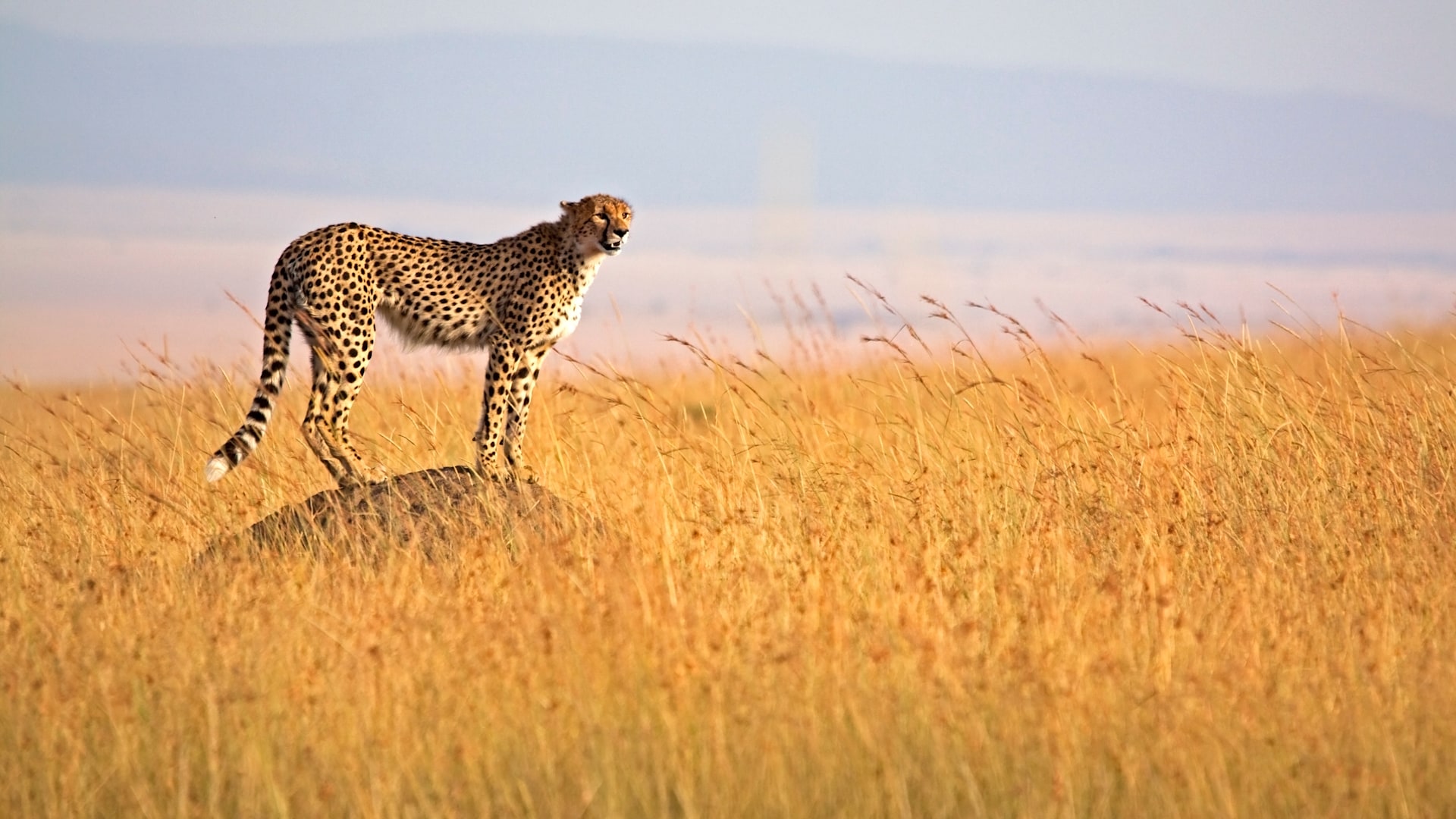
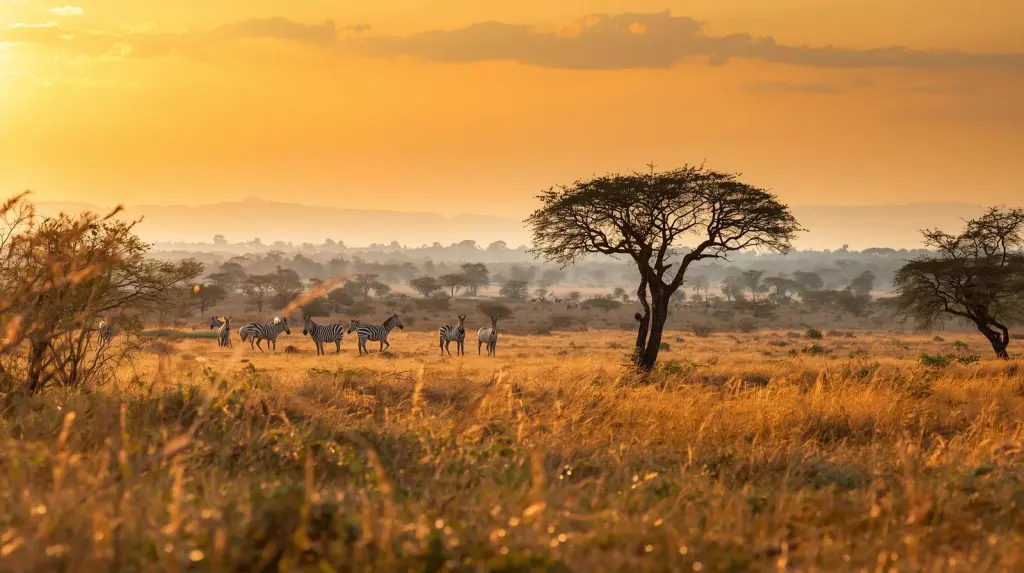
The Maasai Mara is Kenya’s most famous safari destination, but a visit can take two quite different forms. There is the Maasai Mara National Reserve itself, and there is a ring of private conservancies on its northern and eastern borders. The wildlife moves freely between them, but the rules for visitors are different.
The Maasai Mara National Reserve
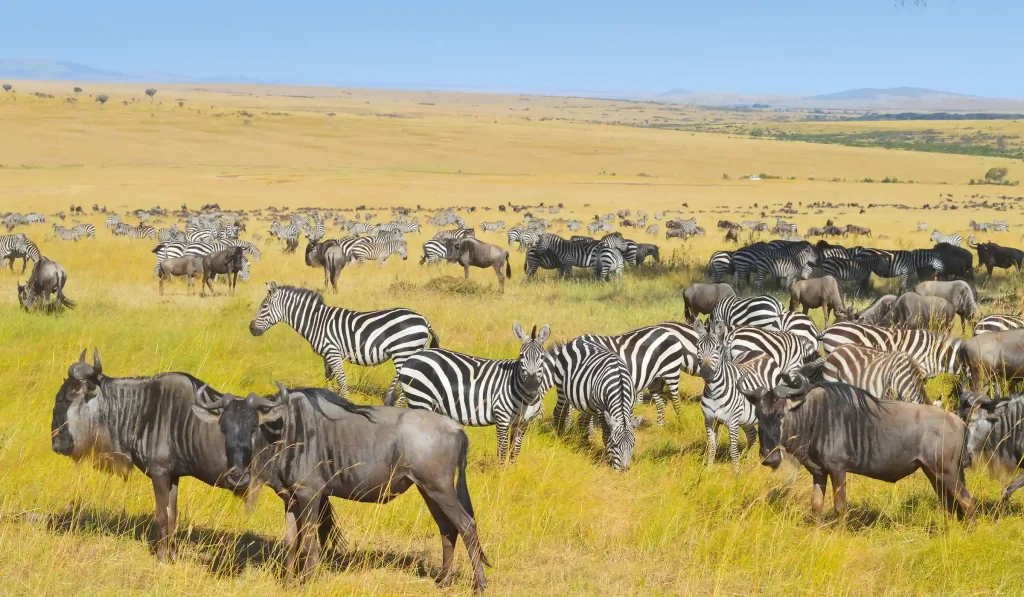
The reserve covers around 1,500 square kilometres and holds the famous Mara River crossing points, the open plains of the Mara Triangle and some of the highest densities of lions, cheetahs and leopards in Africa. It is where the Great Migration crossings happen, usually between July and October.
Because it is open to all visitors, the most famous sightings can draw a crowd of vehicles, especially at the river in peak season. Vehicles must stay on the tracks, game drives take place between sunrise and sunset, and walking is not allowed.
The Mara conservancies
The conservancies, including Mara North, Olare Motorogi, Naboisho, Ol Kinyei, Lemek and Enonkishu, were created by leasing land from thousands of Maasai families, who receive a regular income in return. That arrangement protects a huge area of wildlife habitat outside the reserve and makes tourism a direct source of income for the community.
What makes them different to visit:
- Fewer vehicles. Camps are limited in number, and sightings are typically restricted to a handful of vehicles at a time.
- Night drives. After dark you can look for leopards, hyenas, aardvarks, bush babies and other animals that are active at night, which visitors to the reserve do not see.
- Guided walks with Maasai guides.
- Off-road driving where the conservancy allows it, so you can get into the right position for a sighting.
- Guests only. Most conservancies are only open to guests staying at their own camps.
What about the migration?
The herds spread well into several of the conservancies, especially Mara North and Lemek, between July and October. The large river crossings, however, happen mainly inside the reserve. Many camps in the conservancies arrange day trips into the reserve for the crossings.
Cost
Conservancies generally cost more. Their fees are charged per guest per night, and the camps are usually smaller. The reserve offers the widest range of accommodation, from simple camps to luxury lodges, so it suits every budget.
Which should you choose?
- Choose the reserve for the river crossings, for a first visit on a tighter budget, or for a short trip where you want to see as much as possible in two or three days.
- Choose a conservancy for privacy, night drives and walking, for a honeymoon or special occasion, or if you have been to the Mara before.
- Combine the two if you can: two nights in a conservancy and one or two near the reserve gives you fewer vehicles and access to the crossings.
Plan your Mara safari
Volcan’s Maasai Mara trips include the 3-Day Maasai Mara Private Luxury Safari from Nairobi and the 3-Day Luxury Flying Safari, and the Mara features in most of our Kenya itineraries. See our guide to the best time to see the Great Migration to choose your dates.
Tell us what matters most to you, crossings, privacy or budget, and we will suggest where to stay in the Mara.